

What SIRA Brings
An originated venture, its research context and a working relationship across product definition, commercial development and company formation. Access and support are agreed for the role.
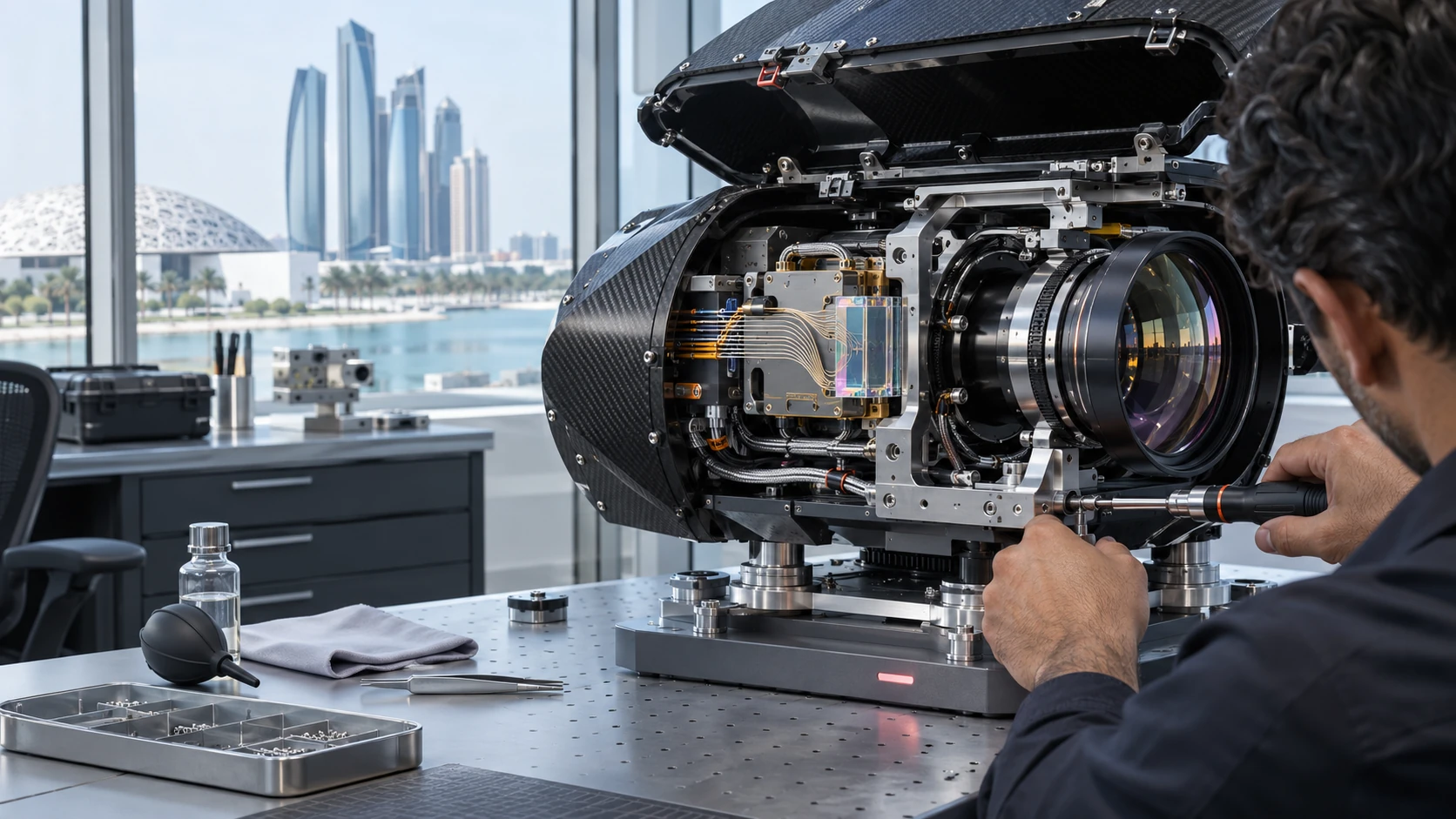
Founders & EIR
Bring scientific, product or operating experience to a named venture. As a founder, EIR or specialist, help define the application, resolve development priorities and lead the work towards customer adoption.
Explore the Founder ModelThe Starting Point
Start with a named SIRA venture, principally originating from RAM LABS research. The first discussion examines its current work, the company it could become and the responsibility you would take on.
Relevant experience may be technical, commercial or operational: developing a product, qualifying a system, winning customers, manufacturing reliably or leading a company. Explain the decisions you have owned and how that experience applies to the venture.
An originated venture, its research context and a working relationship across product definition, commercial development and company formation. Access and support are agreed for the role.
Relevant technical or operating experience, sound product judgement and the commitment to lead the responsibilities defined for the venture.
Your role, authority, resources and first priorities, together with intellectual property, ownership, vesting and governance for the company.
Three Ways to Contribute
Take executive responsibility for a particular venture: develop its application and product, establish the customer case, assemble the team and direct the operating plan.
This route suits someone prepared to own company-level decisions and build the capabilities the business needs. The discussion defines the founder’s authority, responsibilities and relationship with SIRA.
Discuss Venture LeadershipAn Entrepreneur in Residence works on a defined question before a founder role is settled: which application to pursue, who would buy it, or what the founding team needs to prove.
The assignment has an agreed scope, access, deliverable and review point. A customer study, application decision, technical test plan or company plan can inform a later founder discussion; the role is agreed separately.
Discuss an EIR AssignmentLead a defined function or workstream, such as systems engineering, product development, qualification, manufacturing or commercial entry.
This route suits specialists who can take responsibility for an identifiable result. Scope, interfaces with the wider team and decision authority follow the work required.
Discuss an Operating Role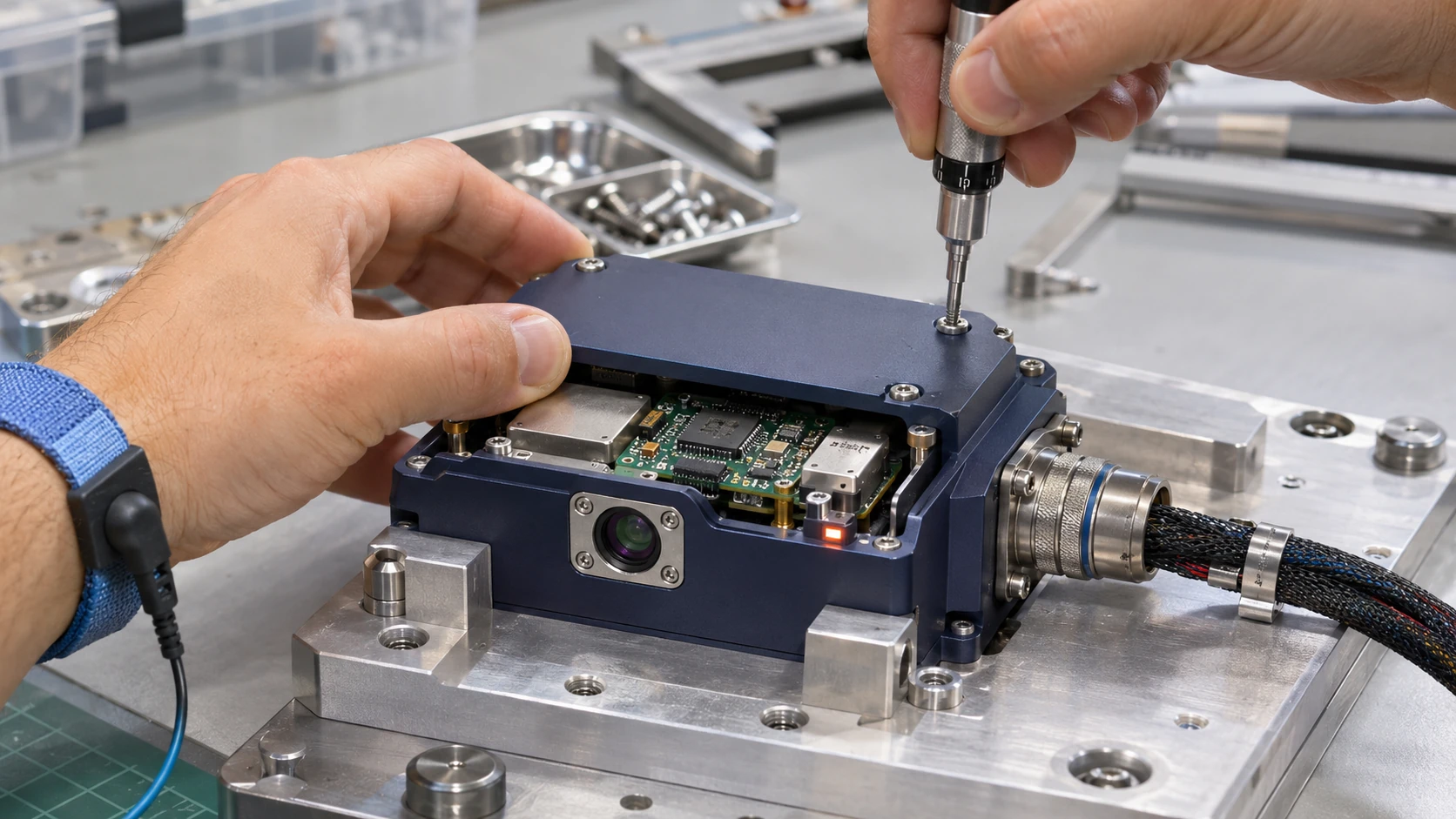
Engineering Responsibility
Hardware, software and operating requirements meet at the system interface. Founding teams need technical leaders who can connect those disciplines to a product and a delivery plan.
Explore STRATOZThe Working Relationship
The founder leads the business within agreed authority and governance. SIRA’s support is scoped around the next stage, with responsibilities divided between the studio, venture team and external specialists.
Coordinate application definition, requirements, architecture questions, development priorities and the evidence needed for the next decision.
Examine customers, purchasing decisions, alternatives, integration requirements and the route to adoption.
Work through the legal entity, intellectual-property arrangements, operating responsibilities and relevant specialist advice.
Define leadership and specialist needs, recruitment priorities and where research or industry collaboration can contribute.
Connect the next work package to resources, costs, dependencies and the financing discussions it requires.
Set decision rights, reporting, review points and the evidence that supports continuation or a change in direction.
A Practical Introduction
Include the project, role of interest, decisions you have owned, a link to relevant work and the first question you would address. Indicate your location and availability.
Choose a venture and share the experience that equips you to lead it. We start with the technology, its intended customer and the decisions ahead.
Discuss the role, the first priorities and the support required. Agree access, decision rights, resources and working terms before making a commitment.
Review the result together. For an EIR, this may lead to further work or a founder discussion. For a founder, it informs the company’s next priorities.
Keep the initial introduction non-confidential.
Practical Questions
We discuss the founder’s responsibilities, the existing technology and rights, resources being committed and the company’s needs. Ownership, vesting, executive authority and oversight are documented for that venture before the role begins.
No. Start with a SIRA venture and explain how you would help develop it. The technical starting point originates inside the studio; the product, customer and company need a founder’s judgement.
Yes. EIR assignments and operating-specialist discussions focus on a defined contribution. The appropriate route follows the project’s requirements and your experience.
Yes, where the work, mutual fit and needs of the venture support it. We review that possibility together and agree any founder role separately.