
Illustrative development concept of a sensor-and-compute integration trial between specialist engineering teams.

Partnerships

Connect Specialist Knowledge
to Real Applications.

Bring research methods, test facilities, industrial requirements or manufacturing expertise to a named venture. Together, define an experiment, evaluation or engineering programme that connects specialist capability to a practical application.

Where Disciplines Meet · Development Concept

The Basis of Collaboration

Bring the Capability.
Build the Evidence.

SIRA brings an internally originated venture and a question that matters to its development. Partners bring the expertise, facilities, customer context or production capability to help answer it.

The partner gets a defined application for its capability and a shared scope against which to assess the result. That may be an experiment, product requirement, evaluation or production study. Access, costs and rights are agreed for the work.

Research Institutions

Your Contribution. Bring a research method, specialist team, dataset or facility relevant to the technology.

Working With SIRA. We bring the application, technical context and question to investigate together.

Possible Output. A first collaboration might be an experiment, characterisation study or independent evaluation, with agreed methods, rights and publication arrangements.

Discuss a Research Contribution
Industry & Prospective Customers

Your Contribution. Bring an operating problem, user requirements or a realistic setting for evaluation.

Working With SIRA. We bring the technical approach and the questions that determine whether it can fit your use case.

Possible Output. A first collaboration might establish product requirements, evaluation criteria or a qualification plan with the responsible operating team.

Discuss an Operating Requirement

Manufacturing & Systems Integration

Your Contribution. Bring materials, manufacturing, supply-chain or systems-integration experience.

Working With SIRA. We bring the architecture, interfaces and product requirements to examine together.

Possible Output. A first collaboration might assess manufacturability, build a representative assembly or establish the testing needed for reliable delivery.

Discuss an Engineering Contribution

Possible Starting Points

Start with A
Specific Development Question.

Quantum Systems

QONTOS

Characterise a device, link or control interface under relevant test conditions.

Explore QONTOS

Food Production

AITHER

Connect crop trials, resource use and harvest quality to a buyer’s requirements.

Explore AITHER

Drug Discovery

QUINNO

Connect a computational prediction to a reproducible experimental test.

Explore QUINNO
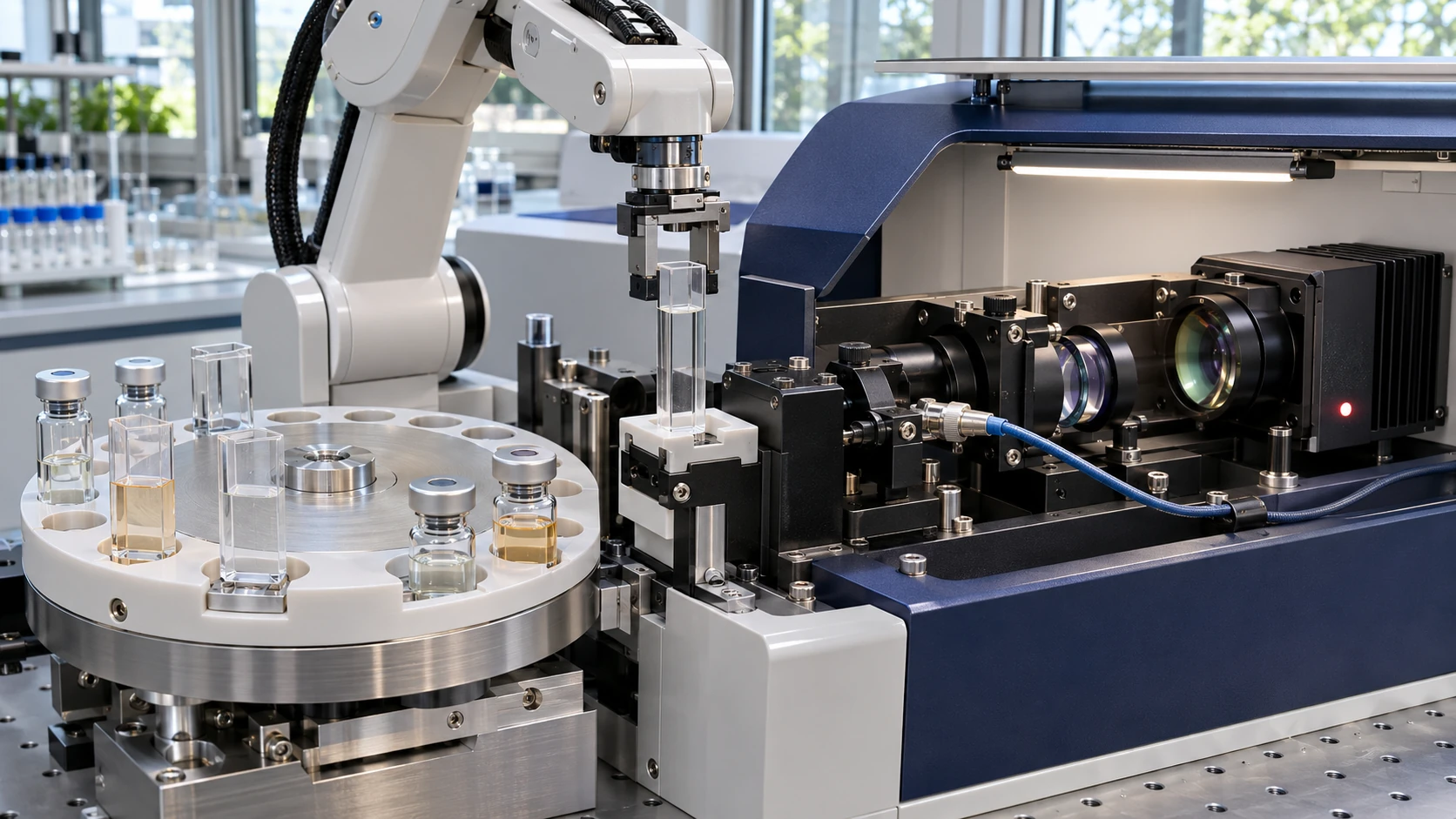
Development concept: An automated sample carousel and robotic transfer system paired with optical spectroscopy hardware. AI-generated development concept.
Automated Scientific Measurement · Development Concept

Life Sciences

Experimental Evidence

Computational predictions need a path to reproducible experimental evidence. QUINNO connects molecular modelling and candidate selection with the next informative experiment.

Explore QUINNO

Before Work Starts

Agree the Scope,
Terms and Review Point.

A working scope records what each party contributes, how the result will be judged and who decides the next step.

Turn an introduction into a specific working scope.
AreaAgree togetherRecord the outcome
ScopeThe question, work package, responsibilities, dependencies and timetable.A defined output and named points of contact.
Rights & accessBackground IP, rights in new work, confidentiality, data and facility access.Permitted uses of information, results and any publication arrangements.
Resources & costsPeople, equipment, materials, funding and each party’s commitments.Cost responsibility and the basis for approving changes.
EvidenceMethod, test conditions, deliverables and acceptance criteria.Findings, limitations and the information needed to assess them.
ReviewWho evaluates the result and when the decision is made.Continue, revise, extend or stop the work.

If the work opens a route to supply, licensing or deployment, we agree that commercial scope as the next step.

Your First Introduction

Tell Us What
You Can Contribute.

  • Name your institution or company and the relevant portfolio venture or technology area.
  • Describe the question, operating requirement or capability you would bring.
  • Suggest an output, available resources, timing and material constraints.
  • Identify a technical or operating contact who can help define the work.

Send a non-confidential introduction with a named contact. We review the fit with the venture, identify the information needed and decide whether to define a working scope together.

Can We Propose a New Technology or Company?

Our venture concepts originate internally. If you have a technology or method that could contribute, connect it to a portfolio application and explain what a collaboration could establish.

How Are IP and Publication Handled?

We distinguish existing rights from new work, and agree confidentiality, data access, use of results and publication review before protected information is exchanged or work begins.

Are Costs or Participation Terms Standard?

They depend on the work. We agree the people, facilities, costs and commercial terms with the partner before committing resources.

Partnership Enquiries

Start with A
Specific Capability.

Introduce your institution or company, the venture you are interested in and the capability or operating requirement you bring. Include a technical contact.

Discuss a Partnership